


How to build a steel building workshop
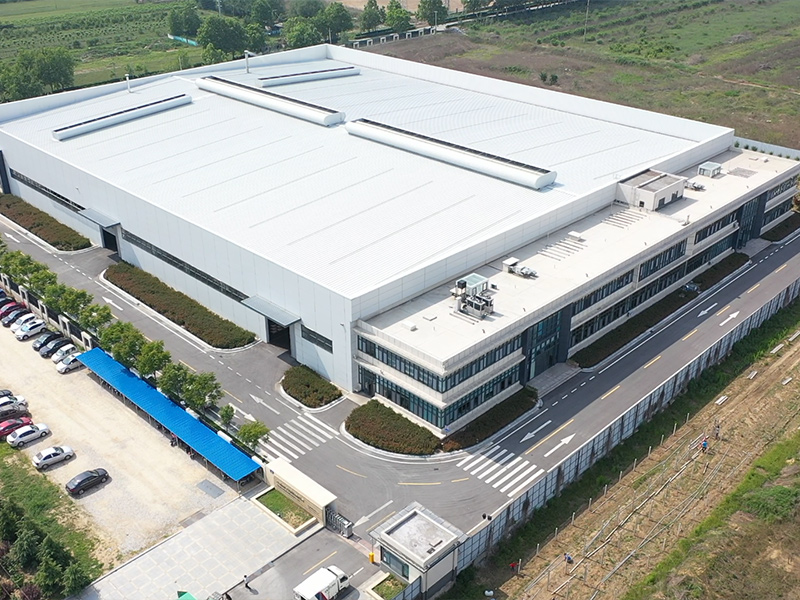
Building a steel workshop is an increasingly popular choice for entrepreneurs, hobbyists, and industrialists alike. Steel building workshops offer durability, cost-efficiency, and versatility, making them ideal for everything from automotive repair to woodworking or even large-scale manufacturing. Unlike traditional brick-and-mortar structures, steel workshops are quicker to construct, require minimal maintenance, and can be customized to meet specific spatial and functional needs. Whether you’re planning a small personal workshop or a sprawling industrial facility, understanding the process of designing and building a steel workshop is essential. This guide will walk you through the key steps, considerations, and best practices to ensure your project is a success.
Part 1: Solutions for Building a Steel Building Workshop
1.Planning and Design
The foundation of a successful steel building workshop lies in meticulous planning. Start by defining the purpose of your workshop. Will it house heavy machinery, serve as a storage space, or function as a multi-use facility? The intended use will dictate the size, layout, and structural requirements. For instance, a workshop requiring overhead cranes will need higher ceilings and reinforced flooring compared to a standard garage.
Next, collaborate with an architect or structural engineer to create detailed blueprints. Modern software tools like AutoCAD or SketchUp can help visualize the design, ensuring all dimensions, door placements, and utility access points are optimized. Consider factors such as natural light, ventilation, and insulation, especially if the workshop will be used year-round.
2.Selecting the Right Steel Building Kit
Steel building workshops are often constructed using pre-engineered kits, which streamline the process and reduce costs. These kits come in standardized sizes but can be customized with add-ons like windows, skylights, or additional bays. When choosing a kit, prioritize:
Material Quality: Opt for galvanized steel to resist corrosion.
Certifications: Ensure the structure meets local building codes and wind/snow load requirements.
Flexibility: Select a design that allows for future expansions.
Reputable suppliers like General Steel or Rhino Steel Buildings offer a range of options tailored to different budgets and needs.

3.Site Preparation
Before assembly begins, the site must be properly prepared. This involves:
Grading: Leveling the ground to prevent water pooling.
Foundation: Pouring a concrete slab or pier foundation based on the building’s weight and local soil conditions.
Utility Access: Planning for electrical, plumbing, and HVAC systems.
Hiring a professional contractor for site work ensures compliance with safety standards and prevents costly mistakes.
4.Assembly and Construction
One of the biggest advantages of steel building workshops is their relatively quick assembly. Most kits arrive with pre-drilled components and detailed instructions, allowing for DIY installation or hiring a crew. Key steps include:
Erecting the Frame: Assembling the steel columns and beams.
Installing Secondary Framing: Adding girts and purlins to support walls and roofing.
Applying Sheathing: Attaching metal panels or insulation to the exterior.
Finishing Touches: Adding doors, windows, and interior partitions.
Throughout this process, prioritize safety by using proper lifting equipment and adhering to OSHA guidelines.
Part 2: Key Considerations for Building a Steel Building Workshop
1.Local Building Codes and Permits
Before breaking ground, consult your local municipality to understand zoning laws, permit requirements, and inspection protocols. Ignoring these regulations can lead to fines or delays. For example, some areas may restrict building heights or require fire-resistant materials.
2.Climate Resilience
Steel is durable, but extreme weather conditions demand additional precautions. In hurricane-prone regions, reinforce the structure with wind bracing. In cold climates, invest in proper insulation and heating systems to prevent pipe freezing.
3.Future-Proofing
Design your steel building workshop with scalability in mind. Incorporate modular features like removable walls or extra anchor points for future expansions. This flexibility ensures the workshop can evolve alongside your business needs.
4.Budget Management
While steel workshops are cost-effective, unplanned expenses can arise. Allocate funds for:
Site Preparation: Often overlooked but critical for stability.
Customizations: High-quality doors or specialized flooring may add to the cost.
Contingencies: Set aside 10–15% of the budget for unexpected issues.
5.Sustainability
Consider eco-friendly options like solar panels, rainwater harvesting systems, or recycled steel materials. These choices reduce long-term operating costs and align with green building trends.
Part 3: Conclusion
Building a steel building workshop is a strategic investment that combines affordability, durability, and adaptability. By following a structured approach—from initial planning to final assembly—you can create a space that meets your current needs while accommodating future growth. Key takeaways include selecting high-quality materials, adhering to local regulations, and designing with climate resilience in mind.
The rise of pre-engineered steel kits has democratized access to industrial-grade structures, enabling individuals and businesses of all sizes to own customized workshops. Whether you’re a mechanic, artist, or manufacturer, a well-built steel workshop provides a secure, efficient, and professional environment to pursue your passions or grow your enterprise.
In an era where efficiency and sustainability are paramount, steel building workshops stand out as a smart choice. With careful planning and attention to detail, your steel workshop will serve as a cornerstone of productivity for decades to come.


