


How to design a steel structure workshop
Steel structure workshops have become a cornerstone of modern industrial architecture due to their durability, cost-efficiency, and adaptability. These structures are widely used across sectors such as manufacturing, logistics, and agriculture, where large spans, rapid construction, and resilience to environmental loads are critical. However, designing a steel structure workshop requires a systematic approach that balances structural integrity, functional requirements, and economic feasibility. This article explores the step-by-step methodology, key considerations, and best practices for designing a steel structure workshop, ensuring it meets both immediate needs and long-term sustainability.
Solutions for Designing a Steel Structure Workshop
1.Define Functional Requirements and Site Conditions
The foundation of any steel structure workshop design lies in understanding its purpose. Key questions include:
Usage: Will it house heavy machinery, serve as a warehouse, or support multi-story operations?
Span and Height: Large-scale workshops often require spans exceeding 30 meters, necessitating portal frames or truss systems. For example, a workshop with a 50-ton overhead crane may need a clear height of 12 meters and a column spacing of 18 meters to accommodate crane movement.
Environmental Loads: Geographic factors such as wind speed (e.g., 100 km/h in coastal areas), snow accumulation (e.g., 0.5 kN/m² in northern regions), and seismic activity (e.g., Zone 8 resistance in earthquake-prone zones) dictate structural load calculations.
Site Constraints: Soil bearing capacity influences foundation design. For instance, soft clay may require deep pile foundations, while rocky terrain allows for shallow spread footings.
2.Select Structural Systems and Materials
Steel structure workshops typically employ one of the following systems:
Portal Frames: Cost-effective for spans up to 36 meters, using tapered H-section beams and columns. A single-span portal frame reduces interior columns, optimizing space for machinery.
Multi-Span Frames: Suitable for widths beyond 40 meters, incorporating interior columns to reduce beam sizes. For example, a 60-meter-wide workshop might use two intermediate columns spaced at 20-meter intervals.
Trusses: Ideal for very large spans (e.g., 80 meters) or when conveyors or MEP systems need to pass through the roof. A lattice truss with a depth of 3 meters can distribute loads efficiently while minimizing material use.
Material Selection:
Primary Members: High-strength steel (e.g., Q345) is preferred for beams and columns to reduce weight and cost.
Secondary Members: C/Z-section purlins and girts (e.g., Q235) support roofing and cladding.
Connections: Bolted joints (e.g., M24 high-strength bolts) simplify assembly and disassembly, while welded connections are used for critical nodes requiring rigidity.
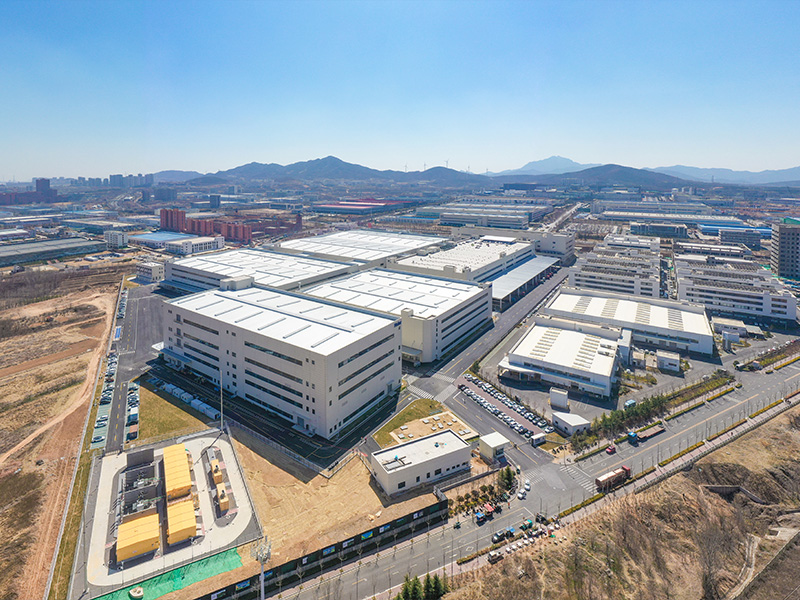
3. Structural Analysis and Design
Using software like SAP2000 or ETABS, engineers perform finite element analysis to:
Verify Load Paths: Ensure dead loads (e.g., 0.3 kN/m² for roofing), live loads (e.g., 2.0 kN/m² for flooring), and dynamic loads (e.g., crane surges) are safely transferred to foundations.
Check Deflections: Limit roof deflections to H/250 (where H is the story height) to prevent cladding damage. For a 10-meter-high workshop, this means a maximum deflection of 40 mm.
Optimize Sections: Adjust beam and column sizes to balance strength and material efficiency. For example, a 457x191x67 UB steel beam might be replaced with a 533x210x82 UB if deflection limits are exceeded.
4. Detailing and Fabrication
Connection Design: Specify bracing systems (e.g., diagonal knee braces) to resist lateral loads. A workshop in a high-wind zone might require horizontal bracing at every third bay.
Corrosion Protection: Apply hot-dip galvanizing (e.g., 85 µm thickness) or epoxy coatings to extend lifespan, especially in marine or industrial environments.
Modular Prefabrication: Fabricate components in controlled factory conditions to ensure quality. For instance, pre-punched holes for bolts reduce on-site errors and speed up assembly.
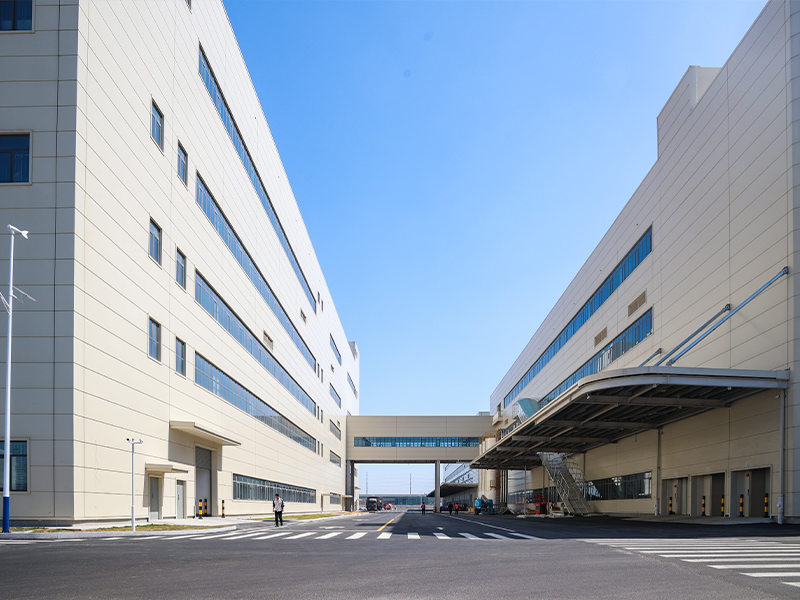
Key Considerations in Designing a Steel Structure Workshop
1. Future Expandability
Design the workshop with modular bays (e.g., 6-meter increments) to allow easy expansion. For example, a 36-meter-wide workshop can be extended to 42 meters by adding a 6-meter bay without redesigning the entire structure.
2.Thermal Performance
Incorporate insulation (e.g., 100 mm rock wool panels) to reduce energy costs. A workshop in a cold climate might use double-skin cladding with an air gap for enhanced thermal efficiency.
3. Fire Safety
Install fire-resistant coatings (e.g., intumescent paint) on steel members to delay structural failure during fires. For high-risk areas, consider fireproofing columns up to 1.5 meters above floor level.
4. Sustainability
Use recycled steel (e.g., 90% post-consumer content) and design for disassembly to minimize waste. A workshop in Germany might incorporate solar panels on the roof to offset energy use.
Conclusion
Designing a steel structure workshop demands a holistic approach that integrates functional requirements, structural analysis, and sustainable practices. By selecting appropriate systems (e.g., portal frames or trusses), optimizing material use, and addressing environmental loads, engineers can create safe, efficient, and adaptable workshops. Attention to detailing—such as corrosion protection and modular design—ensures longevity and cost savings over the structure’s 50+ year lifespan. As industries evolve, steel structure workshops will remain a vital solution, offering the flexibility to meet tomorrow’s challenges while delivering value today.


